Understanding NFPA 96 Guidelines for Safer Commercial Kitchen Exhaust Systems
If you have ever spent time in a commercial kitchen, you know how quickly grease can build up on every surface. The exhaust system is especially vulnerable. Over months of heavy cooking, layers of grease cling to hoods, ductwork, and exhaust fans. That grease is more than a cleaning nuisance. It is a serious fire hazard. The National Fire Protection Association created NFPA 96 to address exactly this risk. Understanding and applying the NFPA 96 guidelines is essential for anyone who runs a restaurant kitchen or manages a food-service facility.
I have seen kitchens where the hood inspection revealed grease so thick you could scrape it off in sheets. In one case, a small chain restaurant had not cleaned its ductwork in over a year. The exhaust fan was caked with grease, and the fire suppression system was blocked by debris. A spark from the cooking equipment could have ignited the entire system. That kind of scenario is exactly what NFPA 96 is designed to prevent. The standard is not just a set of rules. It is a practical framework for keeping people and property safe.
What NFPA 96 Covers
NFPA 96 is the standard for ventilation control and fire protection of commercial cooking operations. It covers everything from the design and installation of exhaust systems to the cleaning and maintenance that keeps them safe. The standard applies to all types of cooking equipment used in commercial kitchens, including ranges, fryers, broilers, and ovens. It sets requirements for grease removal, fire suppression, and the construction of ductwork and hoods.
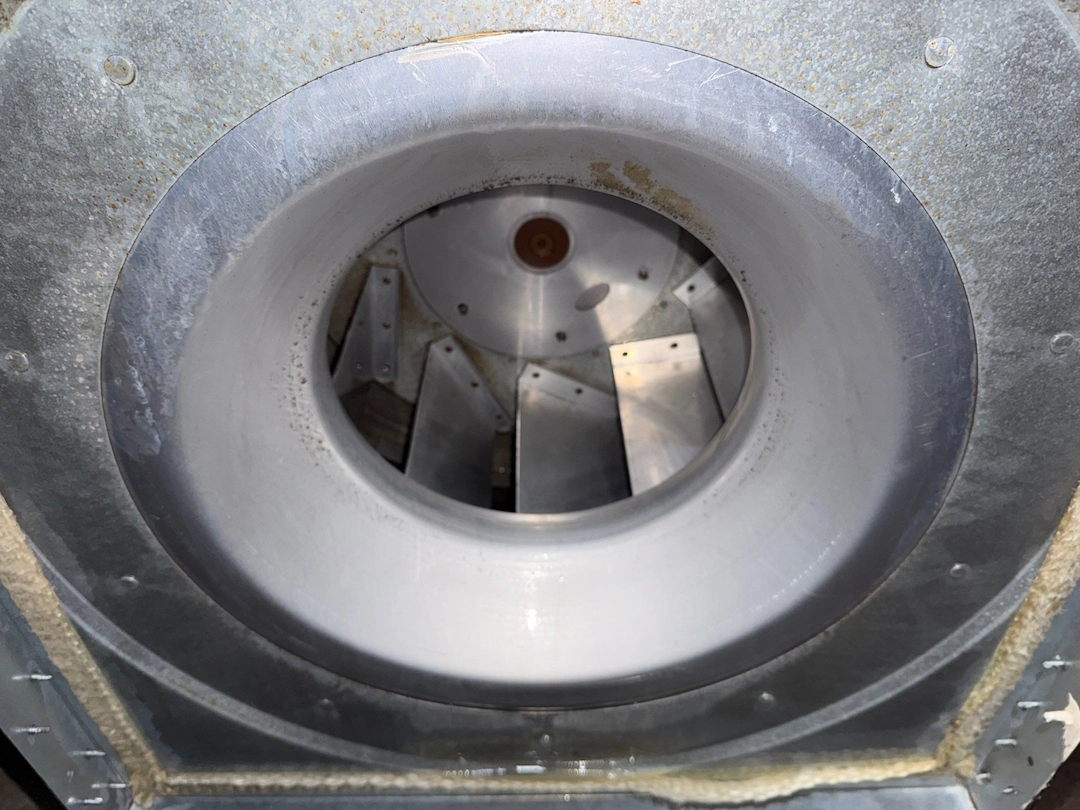
The Bare Metal Standard is a key concept within NFPA 96. It means that after cleaning, all interior surfaces of the exhaust system must be free of visible grease and residue. The metal surfaces should be clean enough that you can see the bare metal. This is not just a cosmetic goal. It is a fire safety requirement. Grease build-up acts as fuel. If a fire starts in the kitchen, a clean exhaust system is much less likely to spread flames through the ductwork to other parts of the building.

Why Regular Hood Cleaning Matters
Hood cleaning is the most visible part of NFPA 96 compliance. But it is not just about the hood. The entire exhaust system needs regular cleaning, including the grease filters, ductwork, and exhaust fan. Grease filters capture some of the grease from cooking vapors, but they are not a permanent solution. They need to be cleaned or replaced regularly. If they are clogged, airflow decreases, and grease can accumulate further down the system.
I have worked with kitchen managers who thought that running the exhaust fan at high speed would prevent grease from building up. That is not how it works. The fan pulls grease-laden air through the system, and as the air cools, grease deposits on the inner walls of the ductwork. Over time, those deposits become thick and sticky. The only way to remove them is through mechanical cleaning. A maintenance schedule based on the NFPA 96 guidelines is the best way to stay ahead of the problem.
Fire Suppression and Compliance
NFPA 96 also requires that commercial kitchens have a fire suppression system. This is typically a wet chemical system listed under UL 300. The system must be installed and maintained according to the manufacturer's specifications. It should cover all cooking equipment, including fryers, ranges, and griddles. The system is connected to the exhaust hood and activates automatically if a fire breaks out. But a fire suppression system is not a substitute for cleaning. If the ductwork is coated with grease, the fire can spread faster than the suppression system can handle.
Fire code compliance goes beyond just having the right equipment. It requires documentation. A certified professional should inspect and clean the exhaust system at intervals set by NFPA 96. The standard provides guidance on how often cleaning should happen based on the type of cooking and volume. For example, a high-volume restaurant that uses solid fuel or wok cooking may need monthly cleaning. A lower-volume operation may be fine with quarterly or semi-annual cleaning. But the key is to follow the NFPA 96 guidelines and keep records of every cleaning and inspection.
The Role of a Professional Cleaning Service
Many kitchen managers try to handle hood cleaning in-house. They might have staff spray degreaser on the filters and wipe down the exterior of the hood. But that is not enough. The interior of the ductwork is often inaccessible without specialized tools. A professional hood cleaning company has the equipment and training to clean every part of the exhaust system. They know how to disassemble the ductwork if needed and how to clean around the exhaust fan safely.

When you hire a professional service like the team at cleanhoodpros.com, you are investing in more than a clean kitchen. You are buying peace of mind. They provide a detailed report after each cleaning, including photos showing the condition of the system before and after. That documentation is invaluable during a fire inspection. It shows that you are following the required maintenance schedule and that your system meets the Bare Metal Standard.
Common Mistakes and How to Avoid Them
One common mistake is thinking that a clean hood means a clean system. The hood might look shiny, but the ductwork could still be full of grease. Another mistake is ignoring the exhaust fan. If the fan blades are coated with grease, the fan becomes unbalanced and can fail. That leads to poor ventilation and increased fire risk. A third mistake is skipping inspections between cleanings. A quick monthly visual check can catch problems early. For example, if you see grease dripping from a joint in the ductwork, you know there is a leak that needs attention.
I have also seen kitchens that install the wrong type of grease filters. Not all filters are the same. Some are designed for specific types of cooking. Using the wrong filter can reduce efficiency and increase grease build-up. NFPA 96 includes requirements for filter installation and maintenance. Following those requirements is part of overall fire code compliance.
Building a Maintenance Schedule That Works
A good maintenance schedule is not one-size-fits-all. It depends on the type of food you cook, how many hours a day you operate, and the layout of your exhaust system. The NFPA 96 guidelines recommend that you base your schedule on the volume of cooking and the type of grease produced. For example, a pizzeria that uses a wood-fired oven will have different needs than a fast-food restaurant that uses fryers. The best approach is to work with a professional cleaner who can assess your system and recommend a frequency that keeps you compliant and safe.
Keep a log of every cleaning and inspection. Note the date, the work performed, and the name of the technician. This log is important for insurance purposes and for fire marshals. If you ever have a fire, your documentation can show that you took reasonable steps to prevent it. That can make a difference in liability and insurance claims.
Final Thoughts on Staying Compliant
NFPA 96 is not a set of suggestions. It is a standard that has been developed over decades based on real-world fire data. Following it reduces the risk of kitchen fires significantly. But compliance is not a one-time event. It requires ongoing effort. Regular cleaning, proper maintenance of fire suppression systems, and careful documentation are all part of the process.
If you manage a commercial kitchen, take the time to understand what the NFPA 96 guidelines require. Work with a professional who knows the standard inside and out. And do not cut corners on cleaning. The cost of a thorough cleaning is nothing compared to the cost of a fire. Grease build-up is a silent hazard. It accumulates slowly, and by the time you notice it, it may already be too late. Stay ahead of it. Your kitchen, your staff, and your customers will be safer for it.
Corrections
Spot something wrong? Send it to the desk and it gets fixed in the open.